
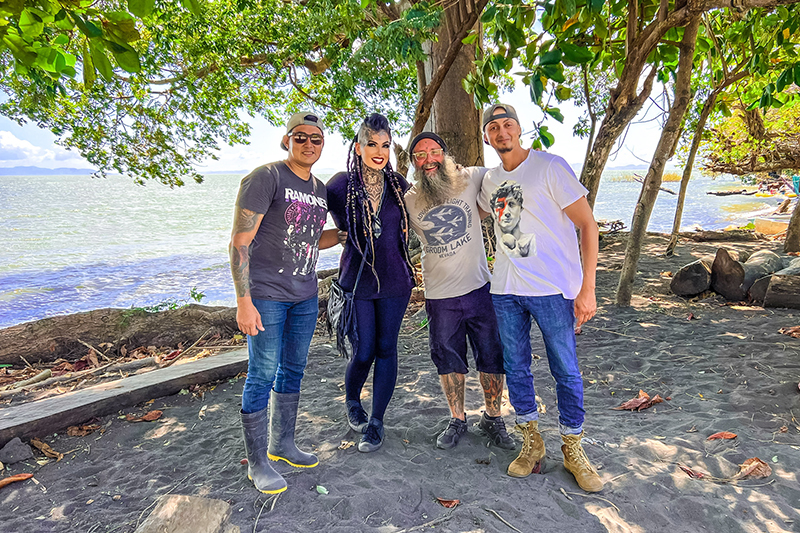
Before there is a cigar to rate, before there is a cigar to smoke, even before there is a cigar to sell, there’s an entire process that brings a cigar to life from seed to shelf. In a world obsessed with quick results and answers, there is no special AI tool or shortcut when it comes to how a cigar is made. Much like Schoolhouse Rock’s catchy and famous ditty “I’m Just a Bill,” there’s much more to the story of premium cigar making than we often concern ourselves with.
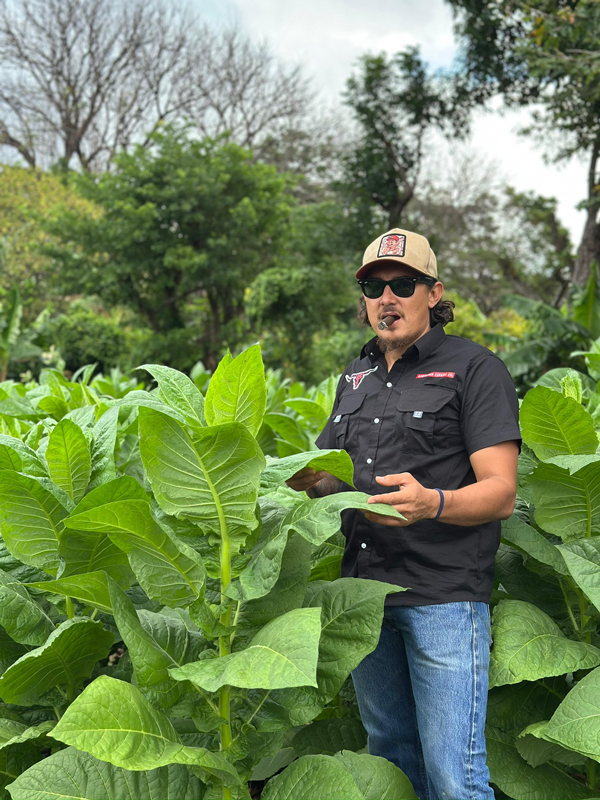
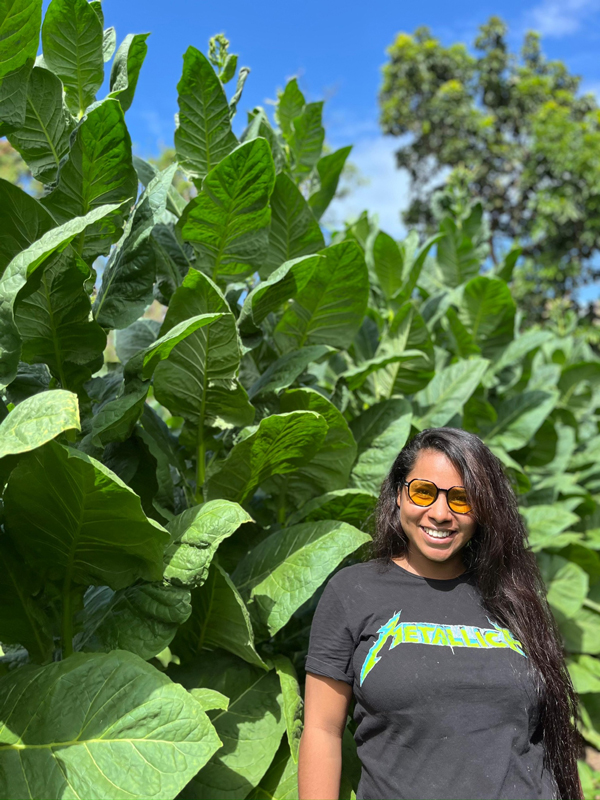
That is not the case for Roberto and Sergio Fonseca Villarreal and Rashel Palma Zamora, who run and operate Finca Saravia, a tobacco farm on Ometepe Island, Nicaragua’s famous island home to twin volcanoes. Over 40 years ago, the Villarreals’ great-uncle worked for tobacco growers while living on Ometepe Island. He was soon recognized for his tobacco knowledge, earning him a promotion. In this position, he inspected many tobacco farms located on the island and grew his own tobacco. His knowledge and passion for tobacco were passed down to many on the island, including later generations of his family.
“Long after our relative planted tobacco, we decided to take our own risk and start from scratch. We planted our own tobacco and set out to create a new legacy,” Roberto explains. “The tobacco leaf has been used for many rituals by the indigenous people of Ometepe Island and is still in use today by the local indigenous people for rituals and medicinal use.”
Long before the cigar industry embraced the island, indigenous inhabitants grew Chilcagre tobacco, a natural criollo tobacco that they shaped into a cigar and used for ceremonies. The island’s twin volcanoes create unique, fertile soil conditions that include high potassium content, giving the tobacco grown there a distinctive sweet flavor and aroma. Despite the passage of time, the growing of tobacco at Finca Saravia has experienced very little change. Traditional farming methods, including use of oxen and horses to plow fields, remain very much the standard when it comes to growing and harvesting tobacco.
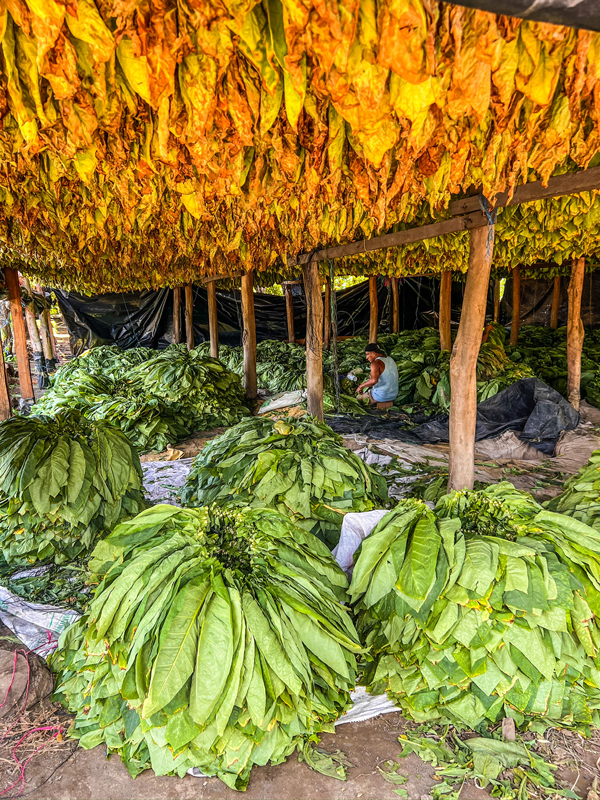
“Here, everything is done in the traditional way. We use our hands; we use oxen and horses; we don’t use big machines. We use water from the lake to irrigate the farm and the plants,” Rashel says.
This traditional approach to farming caught the eye of Cynn Coburn, owner of Dissident Cigars, who has worked to bring attention to this farm. “One thing that they’re very conscious about is not using heavy machinery. Where a lot of bigger farms use machinery, the Villarreals are very conscious of the soil and the weight that the machinery puts on the soil. There’s so many people who want efficiency and things to go faster, but I think they understand the value of the traditional way.”
Growing tobacco is a process (see the sidebar “The Life of a Tobacco Seed on Ometepe” on page 57), but the hard work and time put into each year’s crop lead to tobacco used in premium cigars with earthy notes and a natural sweetness. These qualities have helped Nicaragua become the leading exporter of premium cigars to the U.S. for the past several years.
Doing Things the Hard Way
If you think the story of a cigar begins at the seed phase, think again. It actually starts with the soil. Ometepe Island is known for having volcanic soils rich in minerals like magnesium and calcium, which promote photosynthesis and can make a tobacco plant strong and sturdy. Soil can make or break a crop, which is the biggest challenge the Villarreals and Zamora face when growing tobacco on their farm.
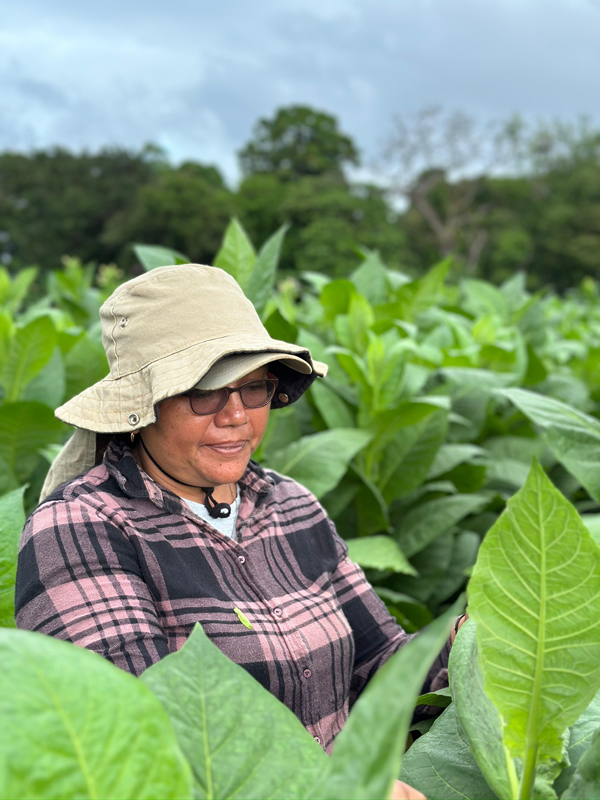
“The composition of the soil on the island is very different depending on the location on the island. You can see the differences in soil even on the same farm,” Sergio states. “We have to adjust to the differences in soil and be knowledgeable of its unique characteristics in order to perfect the way the tobacco grows in each area of our tobacco fields. The constant change of weather also determines how we grow our tobacco. This requires skill and a keen sense of awareness that is unique to the island, which is different from other Nicaragua regions such as Condega or Estelí.”
The Villareals also support the use of organic farming techniques to promote healthier tobacco plants. They have led informational sessions on Ometepe with other tobacco farmers to show them how easy and beneficial it is to go green in farming. Coburn has attended a few of these sessions and has seen how sharing this information has affected others.
“We watched them explain the organic chemicals they use and their results on the plants. Some growers didn’t believe it. The plants they showed the farmers were so big and nice with few imperfections. The other farmers struggled to understand how that was possible without the use manufactured and synthetic chemicals,” Coburn states.
Growing tobacco on Ometepe Island is a challenge, but the Villarreals still insist on taking a traditional approach, making the job even more difficult. Their use of traditional methods and organic, earth-friendly growing may not be the easiest way to farm, but it produces high-quality tobacco that ends up in exceptional premium cigars.
Human Touch
You cannot fully understand the story of the premium cigar industry without acknowledging families like the Villarreals and the hard work taking place behind the scenes at farms like theirs on Ometepe Island. Good cigars come from good tobacco, something the Villarreals are dedicated to creating using traditional, at times expensive, methods. Advocacy efforts like those led by the Premium Cigar Association not only have an impact on the premium cigar industry within America but also abroad in other countries like Nicaragua and the Villarreals’ farm on Ometepe Island.
There’s an oftentimes overlooked human story behind premium cigars and, more specifically, tobacco. In a world that gets caught up in reviews, ratings, and celebrity, the story of premium cigars is rooted in tradition and the deep connection forged between those who grow tobacco and the land they farm. The next time you light up a cigar, know that the tobacco used in that cigar’s blend was grown and tended by human touch, and your support and enjoyment of this handmade product has an impact on a community and, specifically, a family, like the Villarreals.
– Photography courtesy of Cynn Coburn. Story by Antoine Reid, content director at Premium Cigar Association (PCA). You can reach him at antoine@premiumcigars.org.
This story first appeared in PCA The Magazine, Volume 2, 2025. To receive a copy of this magazine, you must be a current PCA member. Join or renew today at premiumcigars.org/membership.