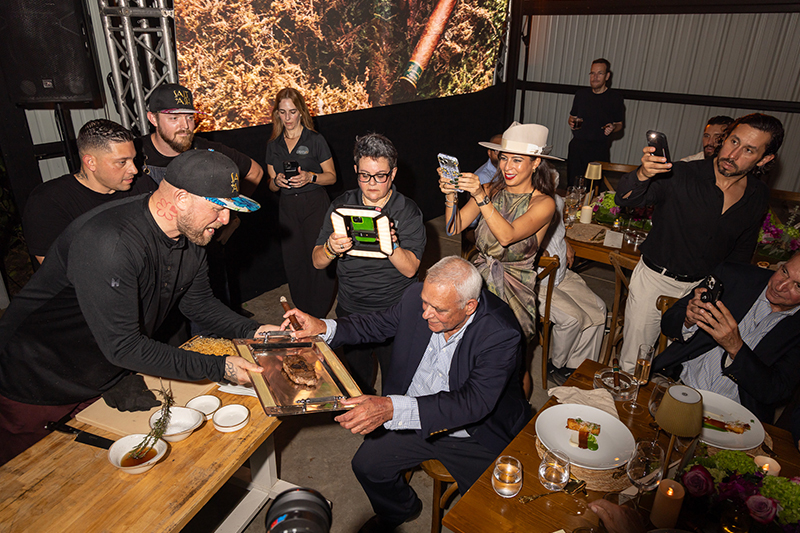
This is one of my favorite topics because customer experience is one of the most important drivers of advocacy, loyalty, and growth. The goal should be simple: every person who walks into your establishment should leave wanting to tell someone else about what they just experienced.
That starts with reframing the way we think about events. Stop using the word “event” and start using the word “experience.” An event is something people attend. An experience is something people remember. That small shift changes everything.
The most important mindset is not to think only like a retailer. Think like a host. A great host does not simply open the door and hope people enjoy themselves. A great host thinks through the evening before anyone arrives. They consider how people will feel when they walk in, who they will meet, where they will sit, what they will see, what they will taste, and what they will take with them when they leave.
When you plan this way, you start asking better questions. How was the customer invited? Was it personal or generic? Does the room feel different from a normal night in the store? Is there a theme? What is the lighting like? What kind of music is playing? What is the goal of the night? Are you educating the customer, creating a feeling of exclusivity, building community, or mentally transporting them somewhere?
Those questions matter because people do not remember every detail of what you sold them. They remember how the night made them feel. Ambiance is everything. Music, lighting, layout, and flow play a major role in shaping the mood of the room. A great cigar experience should not feel accidental. It should feel intentional from the moment the customer walks in. What do they see first? Who greets them? Where is the product displayed? How is the cigar introduced? Is someone guiding the experience, or is the night designed to flow naturally?
This is where thinking like the consumer becomes critical. Ask yourself honestly: would I want to attend this? Would I feel welcomed? Would I feel like my time was respected? Would I tell someone about it the next day? If the answer is no, the experience needs more thought.
Food and beverage should also be considered with purpose. Too often, pairings are treated as an afterthought. But when they are curated around the cigars being featured, they become part of the story. The pairing does not have to be expensive or complicated. It just has to make sense and help the customer understand the cigar in a different way.
For brand partners, this same thinking matters. Every brand should have a story, and every cigar line should have a reason why it exists. The opportunity is to help the retailer translate that story into an experience that fits their environment.
Not every store is built the same way. Some have full-service bars. Some are traditional brick-and-mortar tobacconists. Some have lounges. Some events happen off-site at restaurants, private clubs, patios, or other venues. A strong brand partner understands that the same story may need to be expressed differently depending on the room. That is where collaboration becomes important. The retailer knows the customer, the culture, and the space. The brand knows the product, the intention behind it, and the story that gives it meaning. When both sides work together, the event becomes more than a table, a banner, and a box discount. It becomes a shared experience built around the right audience, the right setting, and the right message.
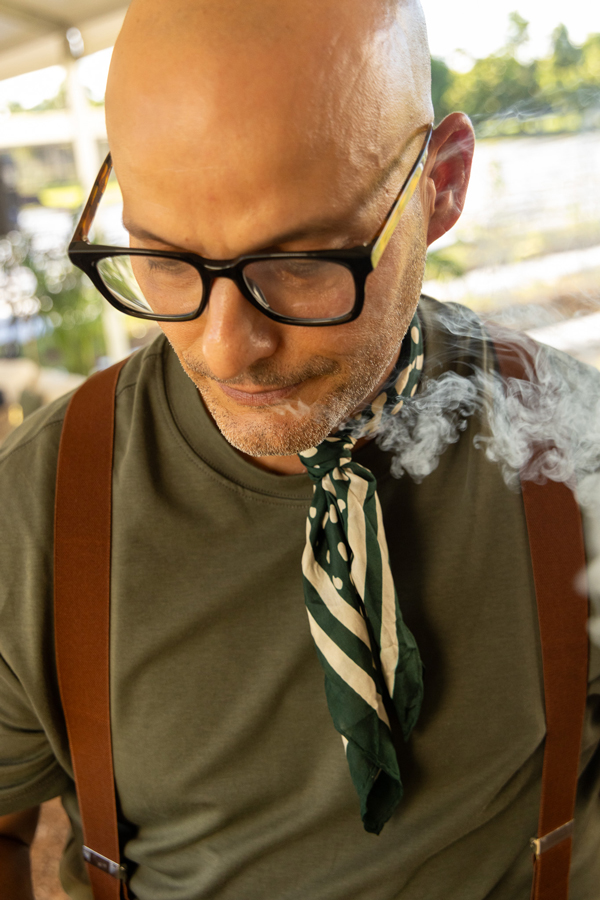
The guest list is another important piece. Who you invite helps determine the energy of the room. Sometimes you want loyal customers. Sometimes you want newer customers. Sometimes you want collectors. Sometimes you want a more open community night. There is no single right answer, but there should be a reason behind the decision. Even seating can be strategic. Placing certain guests who do not know each other near one another can spark specific conversations. A great tobacconist should do more than sell cigars. They should build a room. They should create connections.
Of course, sales matter. We are all in business. But the mistake is making the immediate sale the only measure of success. If customers leave feeling like they were simply pushed into buying product, the night becomes forgettable. If they leave feeling like they were part of something special, they will talk about it the next day. That kind of advocacy is worth more over time than hitting people over the head with a deal.
The brand should not always be the center of the event. The retailer owns the relationship with the customer. The brand’s role is to elevate the experience, add value, and support the culture the store has already built. The retailers who will continue to win are the ones who understand that a cigar event is not just a promotional night. It is hospitality. It is storytelling. It is community. It is theater. It is a chance to create a memory.
And when people remember how your store made them feel, they come back. Better yet, they bring someone with them.
– Photography by Owl King Photography. Article contributed by Eddy Guerra, Plasencia Cigars.
This story first appeared in the 2026 PCA Annual. To receive a copy of this publication, you must be a current PCA member. Join or renew today.